
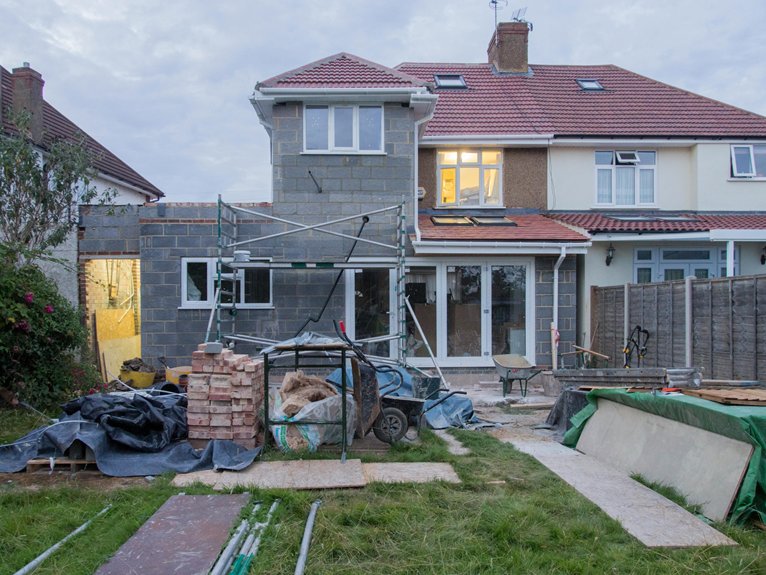
Backyard renovations can pay off if you’re strategic.
Decks recover 68–83% of costs, patios bring back 60–70%, and outdoor kitchens often recoup their full investment while boosting your home’s value by 3.1%.
Professional landscaping adds 15–20% in resale value.
The key? Skip over-customized designs and focus on versatile features your market actually wants.
Before you break ground, chat with local real estate agents about what buyers in your neighborhood prefer—that’s where the real payoff lives.
[link-whisper-related-posts]Which Backyard Projects Actually Pay Back?
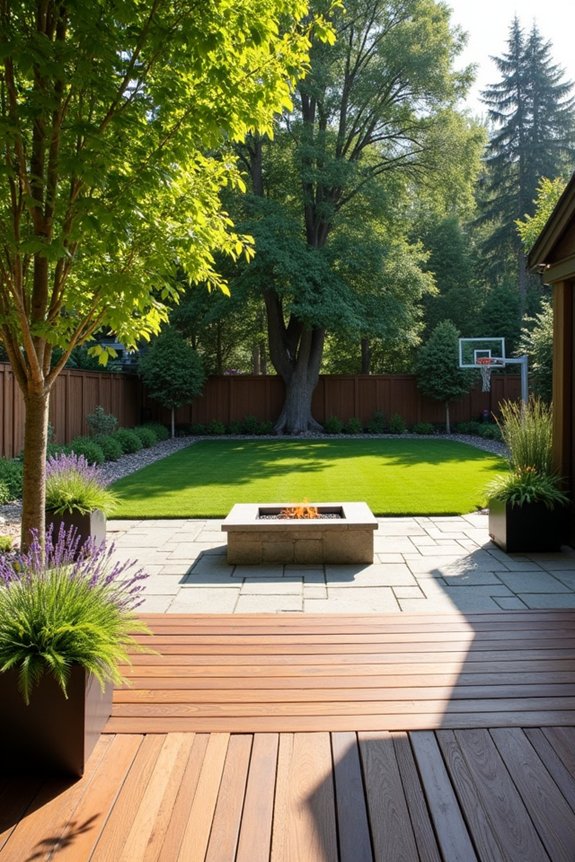
Ever wonder which backyard upgrades’ll actually boost your home’s value instead of just eating up your savings? Let me share what actually works. Wood decks are champions, recouping about 83% of your investment—that’s solid returns. Composite decks recover around 68%, still respectable. Patios with quality concrete or pavers drive thousands in appraisal bumps depending on your market. Now here’s where it gets interesting: outdoor kitchens and entertainment spaces sold roughly 3.1% above expectations in 2024. Professional landscaping? That’s a valuable investment, yielding 15–20% resale value boosts, sometimes hitting 80% ROI. Even affordable fire pits recoup about 70% while enhancing your backyard’s usability. The truth is, strategic outdoor renovations aren’t just about enjoying summer gatherings—they’re genuinely smart financial moves for your home’s future.
High-ROI Backyard Investments: Patios, Decks, and Fences
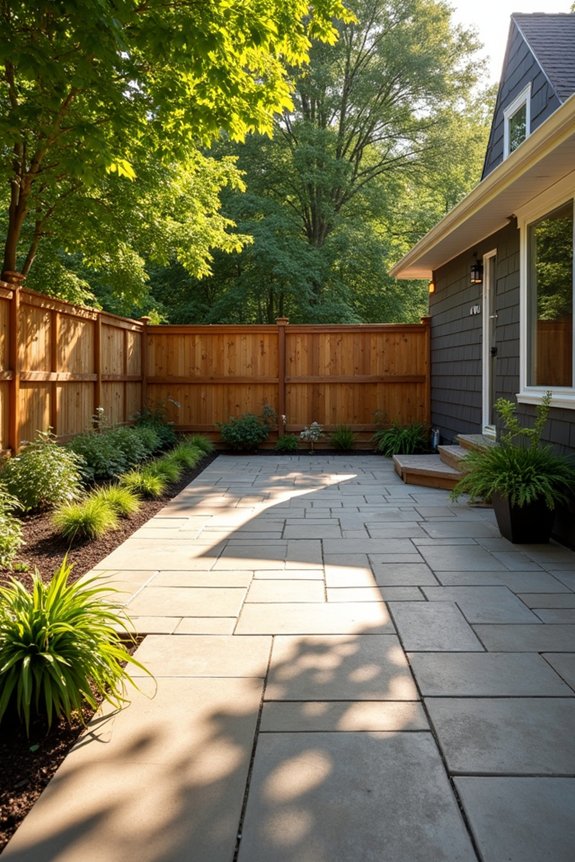
What makes some backyard projects genuinely profitable while others just drain your bank account? I’ve found that certain investments consistently deliver solid returns on your money and resale value.
The winners? They’re straightforward:
- Decks and patios recover 60–83% of costs, depending on materials
- Privacy fences add around $5,000 in perceived value through defined space
- Outdoor kitchens often recoup full costs in competitive markets
Here’s what I’ve learned: the best backyard investments aren’t just about looking good—they’re about creating functional outdoor spaces where you’ll actually spend time. When you combine decks, landscaping, and thoughtful hardscape features, you’re building entertaining areas buyers want. Fire pits and cohesive lighting boost appeal too. These ROI-smart choices improve your backyard while protecting your investment long-term.
Premium Backyard Upgrades Worth the Investment: Outdoor Kitchens and Irrigation
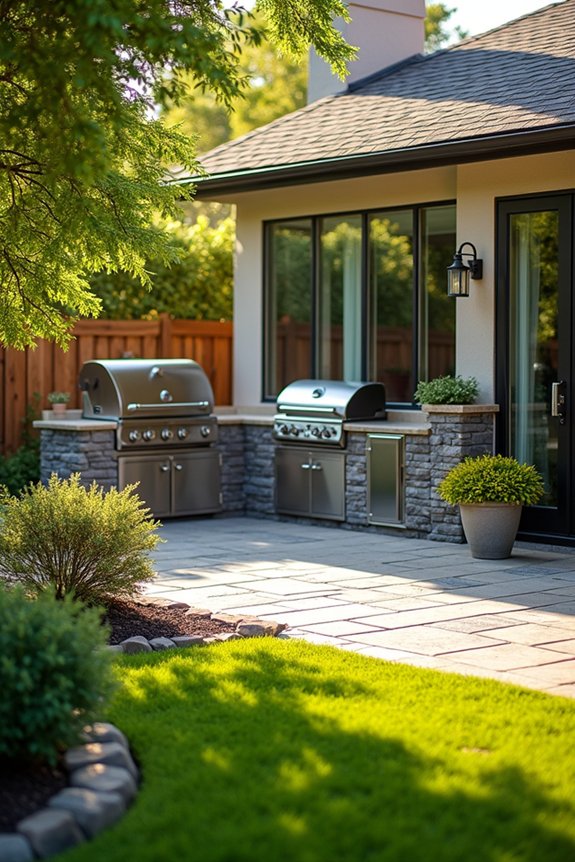
When you’re ready to move beyond basic patios and decks, outdoor kitchens and irrigation systems represent the premium tier of backyard upgrades—and they’re worth considering if you’re in the right market.
Outdoor kitchens deliver impressive cost recovery, recouping 55–200% of your investment while boosting home value roughly 3.1% above market expectations. Premium irrigation systems follow suit, recovering 83% of costs through water savings and reduced yard maintenance.
The real appeal: these premium backyard features signal serious outdoor living commitment to buyers. In markets where people crave entertaining-focused spaces, you’ll see faster sales and higher premiums. The key? Prioritize multi-use layouts that blend functionality with lifestyle appeal.
Before investing heavily, chat with local real estate agents about your specific market’s outdoor living trends and realistic ROI expectations.
Budget-Friendly Upgrades That Boost Curb Appeal
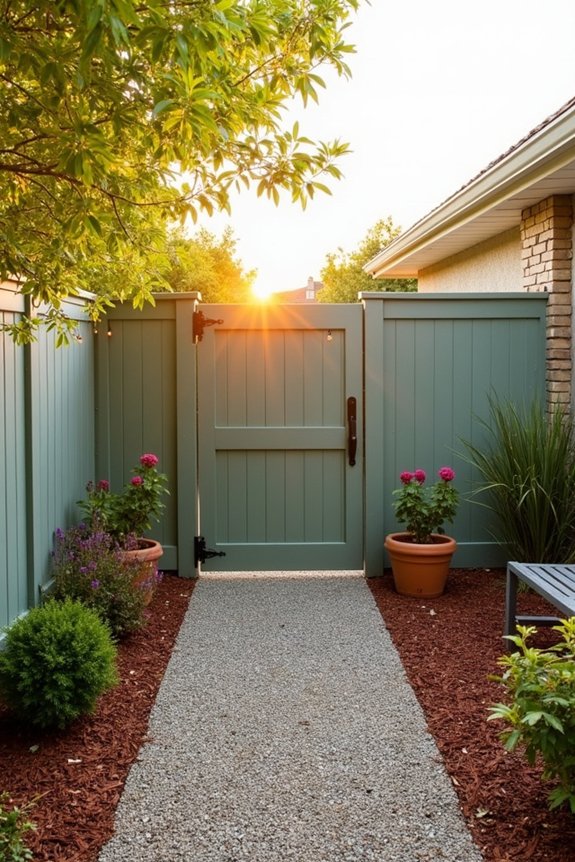
Not every backyard project requires spending thousands of dollars or hiring contractors for weeks—and honestly, that’s the best part.
I’ve discovered that smart, budget-friendly upgrades deliver real curb appeal without straining your budget. You don’t need a complete overhaul to make your outdoor space worth showing off.
- Fresh mulch, neat edging, and trimmed hedges refresh beds instantly
- Bistro lights and exterior lighting create welcoming evening ambiance
- Pressure washing and sealing concrete patios restore tired surfaces
These landscaping touches work. Add affordable outdoor seating or a simple fire pit, and you’ve created an inviting gathering spot. My backyard renovations proved that curb appeal comes from deliberate choices, not hefty price tags. These budget-friendly upgrades show what’s possible when your space reflects what matters to you.
Improvements That Could Hurt Your Home’s Resale Value
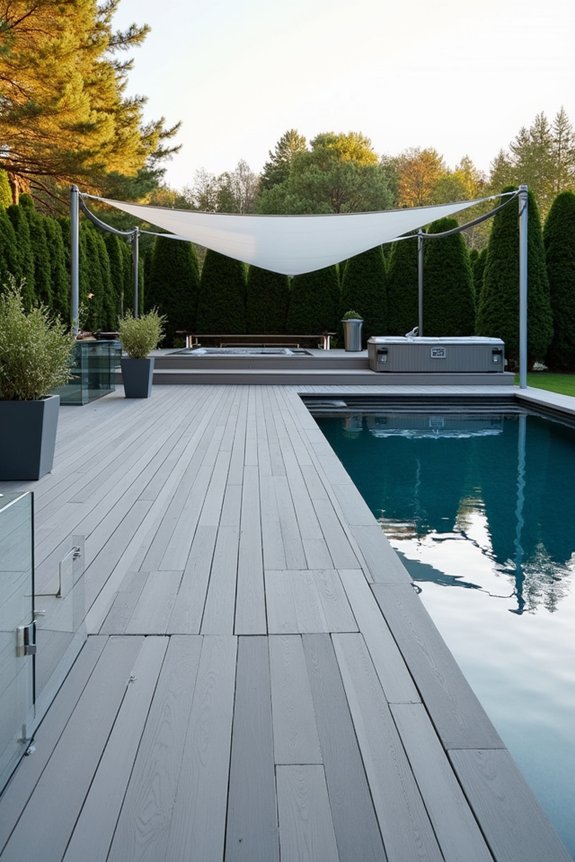
Not every backyard project pays off when you’re ready to sell, and I’ll be honest—some upgrades can actually work against you. Features like above-ground pools eat up valuable yard space that buyers crave, while super niche designs (think elaborate themed gardens or beehives) might seem appealing to you but can make potential buyers nervous or unsure about modifications. Unpermitted work is another sneaky culprit that’ll lower your home’s value, so it’s worth checking what permits your local area requires before you break ground.
Niche Features Deter Buyers
Why do some backyard projects that you absolutely love end up pushing buyers away? I’ve learned that niche features—those deeply personal touches—don’t always translate to universal design appeal. What excites you might worry potential buyers.
Consider these examples:
- Beehives or unusual gardens can seem unsafe or too specialized for typical homeowners
- Above-ground pools reduce usable yard space, especially on smaller lots
- Eclectic landscaping designs reflect your taste, not everyone’s vision
Here’s the tough part: modification costs add up fast. Removing or redesigning these features before listing eats into your profits. That beautiful custom setup you invested in? It might actually hurt your resale value instead of boosting it.
The key is balancing what you love with what buyers want. Broad appeal matters in real estate.
Above-Ground Pools Reduce Space
While above-ground pools promise summer fun and relaxation, they’re actually one of the sneakiest space-stealers in your backyard—and that’s a problem when it comes time to sell. Here’s the thing: buyers who value outdoor space get nervous when they see your yard dominated by a pool. On smaller lot sizes, that impact becomes even more pronounced. Your appraisal could take a hit if the pool looks temporary or low-quality, honestly. The real kicker? Market norms vary, so you’ll want to check comparable homes in your area before installing one. In many markets, above-ground pools don’t fully recoup their costs despite genuine enjoyment value. Before committing, research local resale trends—your yard’s usable space matters more than you’d think.
Unpermitted Work Lowers Value
Skipping permits on backyard projects feels like you’re saving time and money—until you’re trying to sell your home and a potential buyer’s inspector discovers your unpermitted deck or patio.
Unpermitted work creates real problems:
- Appraisal complications that delay closing and require costly corrections or removals
- Resale value penalties that can significantly lower your home’s final sale price
- Safety liability issues that expose you to legal risks and buyer hesitation
I’ve seen compliance and licensing requirements catch homeowners off guard. Major additions like decks demand licensed contractors to meet building codes. Even smaller projects need permits to protect your investment. When appraisers flag unpermitted improvements, you’re stuck paying penalties or undoing everything. Getting permits upfront saves your wallet later.
Hiring the Right Contractor: Permits, Quality, and Peace of Mind
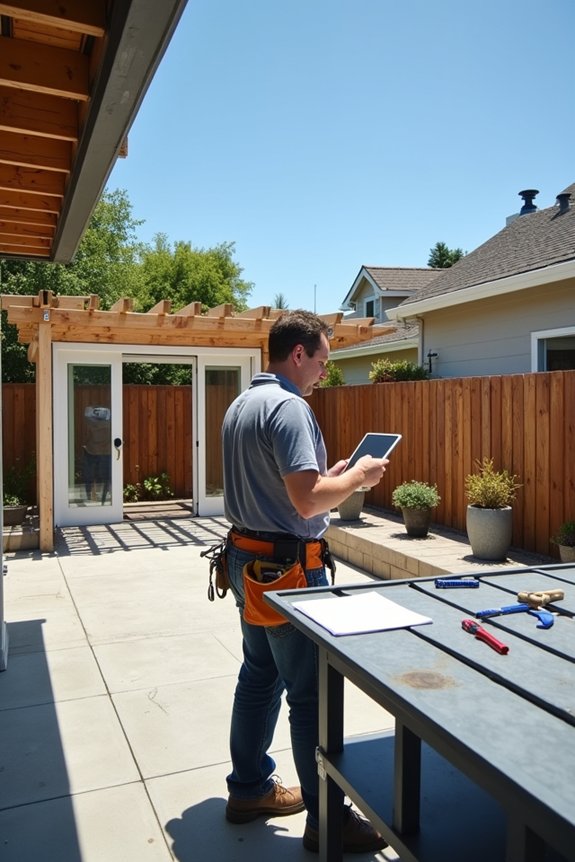
How much of your backyard renovation’s success depends on who you hire? Everything. The right contractor produces quality results; the wrong one creates costly problems.
Start by getting free estimates from multiple contractors. Demand itemized quotes that break down materials, labor, and fees—you’ll spot differences quickly. Ask who’ll actually do the work: in-house crews or subcontractors? This matters for quality workmanship and project management.
Here’s what I prioritize now: licensing, permits and approvals, and safety standards. A licensed contractor isn’t just following rules; they’re protecting your investment and your family. They’ll handle the permitting process, ensuring your project meets local codes.
Compare your options carefully. You’re not just hiring someone; you’re choosing your renovation partner.
Does Your Market Reward Your Backyard Choices?
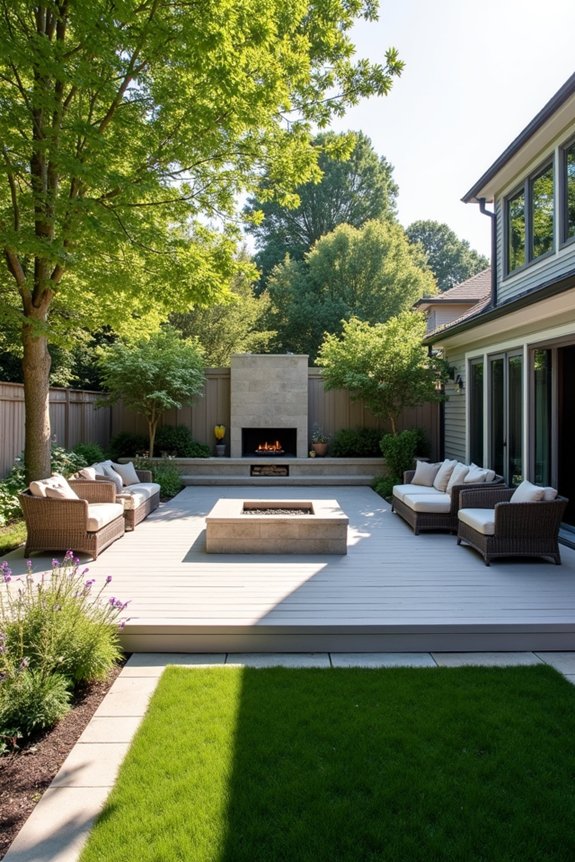
Your backyard renovation’s real payoff isn’t just about enjoying it—it’s about what it’s actually worth when you sell. Not every market rewards the same outdoor features equally. Your neighborhood matters tremendously, so I’d recommend talking with local real estate agents who understand your specific area’s preferences.
Consider these market-moving factors:
- Decks deliver 68%–83% ROI, while patios recover 60%–70% of costs
- Outdoor kitchens boost sale prices about 3.1% above expectations
- Professional landscaping increases resale value by 15%–20%
Before investing heavily, think about cost planning and financing options like home equity loans. Over-customized outdoor living spaces sometimes underperform in certain neighborhoods. Focus on versatile, broadly appealing outdoor features rather than niche designs. Your market rewards smart choices—let local expertise guide your backyard renovation strategy.
Financing Options to Spread Renovation Costs

When you’re facing a hefty backyard renovation bill, spreading those costs across time through financing can make the project more manageable. You have solid options like home equity lines of credit (HELOCs), personal loans, and flexible payment plans—each with different interest rates and terms that work better for different situations. Let me walk you through how these choices stack up so you can pick what actually fits your budget and timeline.
Home Equity Lines Of Credit
One of the smartest moves I’ve seen homeowners make is tapping into a home equity line of credit—or HELOC—when they’re ready to renovate their backyard without draining their savings account.
A HELOC works like a revolving credit card tied to your home’s equity. You borrow only what you need, when you need it, which keeps interest rates manageable compared to personal loans. Here’s what makes HELOCs appealing:
- Flexible liquidity: Draw funds gradually as your renovation progresses
- Lower interest rates: Your home secures the loan, reducing lender risk
- Smart budgeting: Pay interest only on what you’ve actually borrowed
Lenders evaluate your loan-to-value ratio, credit score, and debt-to-income ratio before approval. This financing option lets you spread renovation costs intelligently while maintaining control over your project timeline and budget.
Personal Loans And Payment Plans
How do personal loans stack up when you’re facing a backyard renovations bill that’ll make your wallet weep? I’ll be honest—they’re quicker than home equity loans or HELOCs, but they’ll cost you more. Personal loans typically carry higher interest rates, which means your total financing costs climb faster.
Here’s what I recommend: compare itemized contractor quotes alongside multiple payment plans. Calculate how interest and fees affect your final price. Then, set aside a contingency fund of 10% to 20% for unexpected surprises—backyards love throwing curveballs.
Before committing, explore contractor financing options too. Some builders offer promotional rates that beat traditional personal loans. When you weigh all your financing options, you’re making informed decisions about whether backyard renovations fit your budget and goals.