

Minimalists collect by being intentional—each item earns its place through genuine joy, practical use, or meaningful memory. We audit annually, asking: does this still spark happiness? Does it fit my life today? We set boundaries like “one shelf for vinyl records” to prevent spiraling.
Quality matters more than quantity, so we display thoughtfully on floating shelves rather than cramming drawers. When interests shift, we donate or gift items without guilt, viewing release as evolution. This approach keeps collections purposeful, visible, and lean.
[link-whisper-related-posts]Intention Over Quantity: Why Collectors Aren’t Hoarders
What’s the difference between a carefully curated collection and a closet stuffed with things you’ll never use? Intent. That’s it.
I’ve learned that minimalism and collecting aren’t enemies—they’re actually friends. When I purposefully choose items for my collection, I’m being mindful. Each piece serves a reason: it brings me joy, it’s useful, or it sparks a memory. That’s collecting. Hoarding, though? That’s just stuff piling up without thought.
The real distinction comes down to awareness. I regularly review my collection, asking myself whether each item still matters. Does it fit my life today? Does it deserve shelf space? If not, it goes. This practice keeps my collection meaningful, not burdensome. Quality beats quantity every time in minimalism.
Audit Your Collection: The Value Test
Now that you’ve got the mindset down—knowing the difference between intentional collecting and mindless accumulating—it’s time to actually look at what you own.
Now that you’ve mastered the mindset, it’s time to audit what you actually own and determine what truly deserves space in your life.
I audit my collections yearly using a straightforward value test. I ask myself three questions about each item:
- Does this serve a practical purpose I actually use?
- Does this spark genuine joy or meaningful nostalgia?
- How often do I reach for this?
Items like my Longaberger baskets looked valuable once, but they’re just taking up space now. I’m decluttering those. Your collections should contain things that matter—not guilt-driven keepsakes. When something doesn’t add value, donate it or repurpose it. You’re not losing anything by letting go; you’re gaining clarity about what truly belongs in your life.
Set Boundaries Before Collections Spiral
Before you bring home that fifth ceramic figurine or another vintage cookbook, you’ve got to set some ground rules—otherwise, your collection becomes a closet full of regrets. I’ve learned that boundaries work when collecting. Decide how many items fit your space, what categories matter to you, and where they’ll live. Maybe you limit vintage records to one shelf or keep cookbooks to a specific cabinet. These limits prevent impulse buying and keep collecting purposeful. When you establish boundaries upfront, you’re not restricting joy—you’re protecting it. You’re saying yes to pieces that truly belong with you and no to everything else. That’s the difference between a meaningful collection and chaos.
Recognize When Collections Stop Serving You
I’ve learned that your collection only matters if it’s actually bringing you joy or serving a real purpose in your life—so it’s worth checking in honestly about whether your interests have shifted or if that guitar’s gathering dust instead of making music. You might be surprised how freeing it feels to assess what items are actually worth keeping versus what’s just taking up space, and sometimes that means accepting that an item’s monetary value doesn’t match what it means to you anymore. The good news is that letting go doesn’t have to feel like failure; selling or donating these pieces can lighten your load and help you build a collection that truly reflects who you are right now.
Evaluate Shifting Personal Interests
When did you last pick up that guitar, dust off those cookbooks, or actually wear those vintage concert tees?
I’ve learned that collecting things doesn’t require keeping everything forever. Minimalism means honestly assessing what still matters to me. Our interests evolve, and that’s okay—it’s actually healthy.
Here’s how I evaluate my collections:
- Review quarterly – Check if items still spark genuine interest
- Ask the hard questions – Do I use this? Does it reflect who I am now?
- Notice the patterns – Untouched items signal shifting priorities
- Separate sentiment from function – Memories exist without the object
- Plan the exit – Donate, sell, or gift items intentionally
When a collection stops serving your current life, releasing it creates space—physically and mentally—for what you’re actually passionate about now. That’s where real satisfaction lives.
Assess Monetary Value Realistically
Now that you’ve honestly evaluated what still matters to you, it’s time to get real about the money side. Here’s what I’ve learned: those Longaberger baskets gathering dust? They probably won’t fetch what you paid. Realistic valuation means accepting that many collections decline over time, not appreciate. Check actual selling prices on relevant platforms—not what sellers hope for, but what buyers actually pay. This decluttering mindset shift helps. If an item wouldn’t survive your fire-test—meaning you wouldn’t replace it—let it go. Consider bulk selling or gifting instead of individual listings. The key isn’t maximizing profit; it’s freeing up space and money. Reinvest proceeds into what genuinely excites you now. This reframing shifts selling from loss into opportunity.
Release Items Without Guilt
How do you know when a collection’s stopped working for you? I’ve learned it’s time to let go when items no longer spark joy or serve a purpose. You might notice dust gathering on shelves or realize you haven’t used something in months.
Decluttering your collection doesn’t mean failure—it means you’re growing. Here’s how I approach releasing items without guilt:
- Acknowledge the shift: Your interests change, and that’s perfectly normal
- Separate sentiment from utility: Keep favorites for display; donate the rest
- Reframe the release: Giving items away supports generosity and simplicity
- Focus forward: Free space welcomes possessions that matter to you now
- Act decisively: Sell or donate promptly before reconsidering
Releasing surplus collections isn’t loss. It’s reclaiming space for what genuinely matters.
Display Collections Intentionally
I’ve learned that how you display your collection matters—it’s the difference between something that feels organized and something that feels scattered. Instead of tucking everything away in boxes, wall-mounted shelves, floating displays, and organized binders work well as functional decor that adds to your home and daily life. When your collection lives where you can see and use it, you’re reminded why you loved those pieces, and you’ll naturally notice which ones deserve to stay.
Visible Storage Solutions Matter
The best part about being a minimalist collector? You’re not hiding your treasures in dusty boxes anymore. I’ve discovered that visible storage solutions actually showcase what you love while keeping everything organized and accessible.
Here’s how I display my collections:
- Wall-mounted shelves that frame my favorite items
- Small labeled drawers for Pokémon cards, organized by set
- Screwed-in fixtures that prevent floor clutter
- Neat binders that protect while displaying complete sets
- Regular reviews to trim pieces that no longer spark joy
When you can see your collection, you’re more likely to appreciate it daily. This approach aligns with minimalism—you’re prioritizing what matters most. No chaos, just pieces that belong in your space and your life.
Curated Display Over Hidden Clutter
Why stuff your collection into storage bins when you could be enjoying it every single day?
I’ve learned that displaying my collection of things intentionally keeps them from becoming hidden clutter and lets them function as meaningful decor. Instead of cramming items into closets, I use wall-mounted shelves and organized binders to showcase what matters. This approach keeps my space visually calm while letting me actually see and appreciate what I own.
The key is displaying only items that align with your daily life—books you reread, plants you nurture, tools you use. I regularly prune pieces that don’t serve me anymore, donating or retiring them guilt-free. This honest curation means my display stays fresh and purposeful.
When you can see your collection, you’re reminded why you love it. That’s when minimalist collecting feels less like hoarding and more like living well.
Integration Into Daily Living Spaces
How do you turn a collection into something that actually improves your home instead of cluttering it? The answer’s integrating your collections into daily life rather than hiding them away. I’ve learned that the best displays reflect what you actually use and love.
Here’s how I make it work:
- Position items near where you use them – keep your favorite books on bedside shelves, not in storage boxes
- Choose wall-mounted displays – floating shelves keep collections visible while freeing floor space
- Rotate seasonally – swap out items to keep your space feeling fresh and purposeful
- Display complete sets – partial collections feel unfinished; whole sets feel complete
- Mix collections with daily tools – blend plants, cookbooks, and hobby gear naturally into your décor
When collections genuinely integrate into your routines, they stop feeling like clutter and start feeling like home.
Organize Like a Minimalist
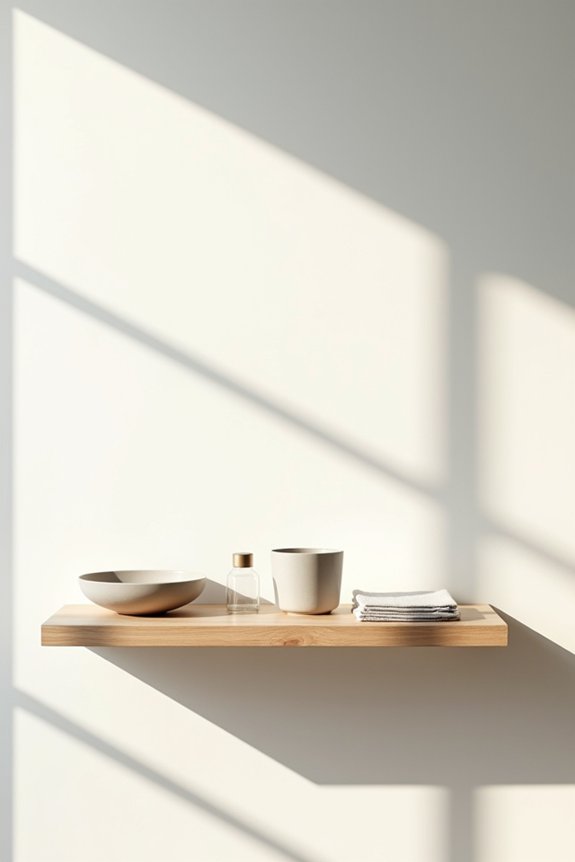
Ever notice how the best collections seem to disappear into a room rather than take it over? That’s the minimalist approach to organization. I’ve found that smart collecting means thinking strategically about display and storage. Wall-mounted shelves and binders work brilliantly because they keep items visible without consuming floor space. The real moment comes during yearly reviews—I assess each piece honestly, asking if it still matters to me. I’ve ditched items that’d be easily replaceable, which sounds harsh but feels freeing. Complete sets in matching containers reduce visual chaos instantly. When I align my collection with how I actually live, everything becomes functional and purposeful. Organization isn’t about hiding what you love; it’s about displaying it smartly so your space has room to breathe while your passion shows.
Release Collections Without Guilt
When I finally admitted that half my collection wasn’t bringing me joy anymore, something shifted. I realized that minimalism doesn’t mean abandoning what I love—it means releasing what’s holding me back.
Here’s how I let go without guilt:
- Reframe the narrative: proceeds fund future interests, not losses
- Donate strategically: local libraries, schools, or shelters give items new purpose
- Sell online: platforms like Facebook Marketplace or eBay honor the item’s value
- Gift thoughtfully: share pieces with friends who’ll actually use them
- Repurpose creatively: turn old display cases into storage solutions
I’m collecting with intention now. Each piece earns its shelf space through genuine joy or nostalgia. Regular reviews keep my collection lean and meaningful. Letting go became easier when I stopped viewing it as failure and started seeing it as evolution—honoring both my past interests and my emerging self.