
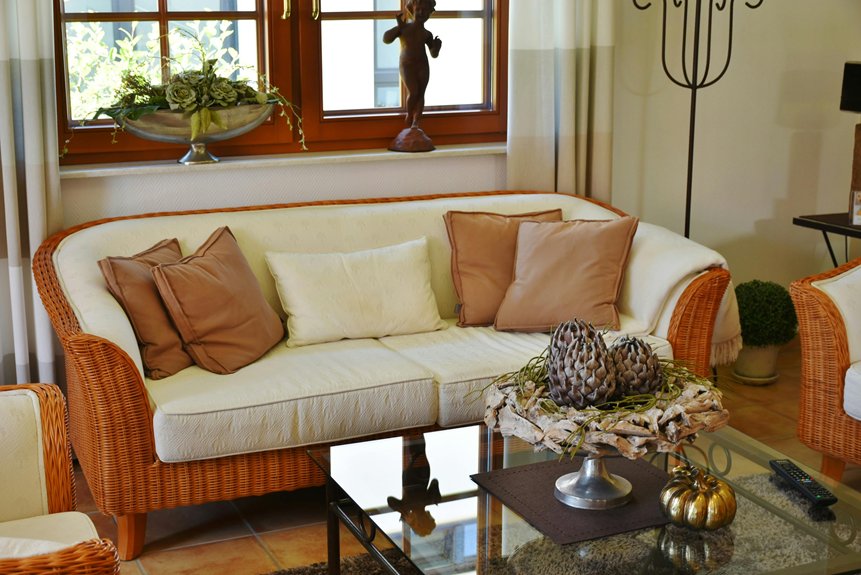
I’ve used ChatGPT to decorate three living rooms by breaking design into concrete steps. First, measure your space, snap photos, and identify your style—modern boho or Scandinavian minimalism. Then upload a photo and ask ChatGPT for layout options, specifying your sofa width and ceiling height. Next, iterate through one element at a time: tweaking seating angles, then lighting, then textures. Finally, layer in colors using the 60-30-10 rule with velvet cushions and jute rugs. Test everything against your actual space and budget before buying. There’s a proven method to skip the guesswork.
[link-whisper-related-posts]Map Your Room and Define Your Style for ChatGPT
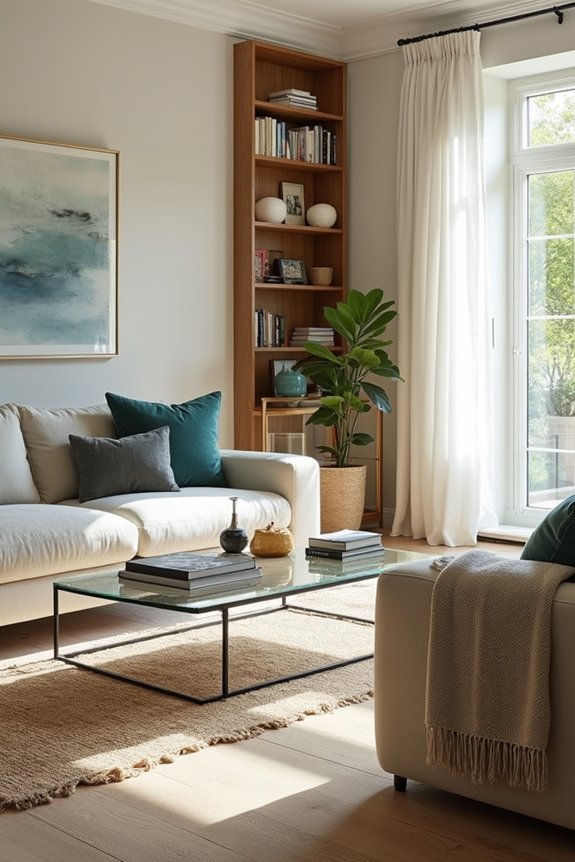
How’d you like to stop wandering around your living room wondering where everything should go?
Stop wandering around your living room wondering where everything should go. Start measuring, then get designing.
Start by measuring your room dimensions—length, width, and ceiling height. Snap a clear photo from multiple angles showing windows, doors, and built-ins. This becomes your foundation.
Next, name your design style. Are you drawn to modern boho? Scandinavian minimalism? Something else? This clarity steers ChatGPT’s recommendations toward your aesthetic.
Then identify constraints. What elements stay fixed? Which pieces won’t you alter? Being honest about these boundaries keeps your plan realistic.
Finally, prepare iterative prompts. Begin broad—”Layout ideas for my 14-by-16-foot living room”—then refine specifics like furniture placement and color palettes. This back-and-forth creates your personalized design journey, turning vague ideas into an actionable plan that works for your space.
Write Your First ChatGPT Prompt for Room Layouts
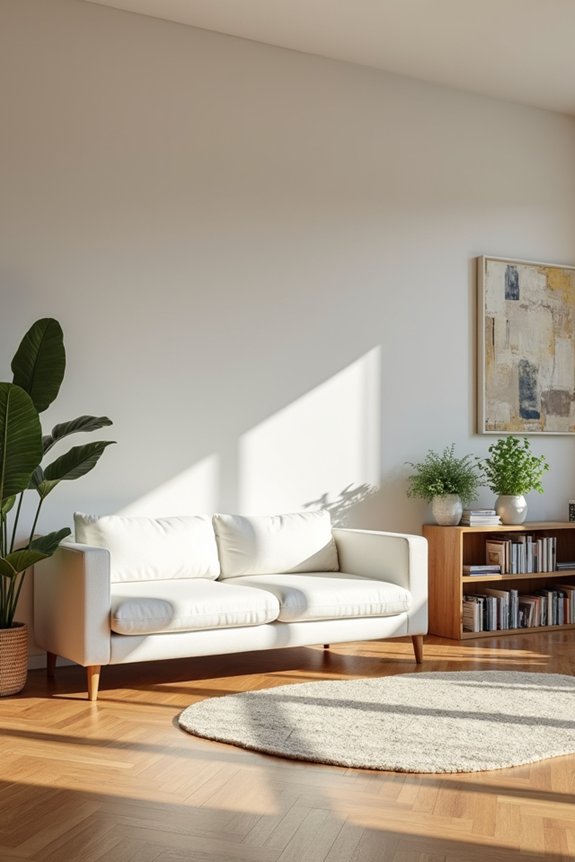
Ready to turn your living room vision into something ChatGPT can work with? Here’s where you start.
Upload a clear photo of your space, then craft a detailed prompt that describes exactly what you want. Tell ChatGPT your non-negotiables—maybe that fireplace stays put, or those windows can’t move. Include specific measurements: your sofa’s width, distance between seating and TV, ceiling height.
Next, ask ChatGPT to propose a layout option first. Then request a follow-up list of changes, like furniture swaps and focal point adjustments. This step-by-step approach gives the interior design process structure.
Finally, consider role-playing: ask ChatGPT to “act as a Scandinavian designer” or another style you prefer. This prompt guidance helps generate cohesive layouts with matching color palettes and clear design direction.
Refine Chatgpt’s Designs With Targeted Follow-Up Prompts
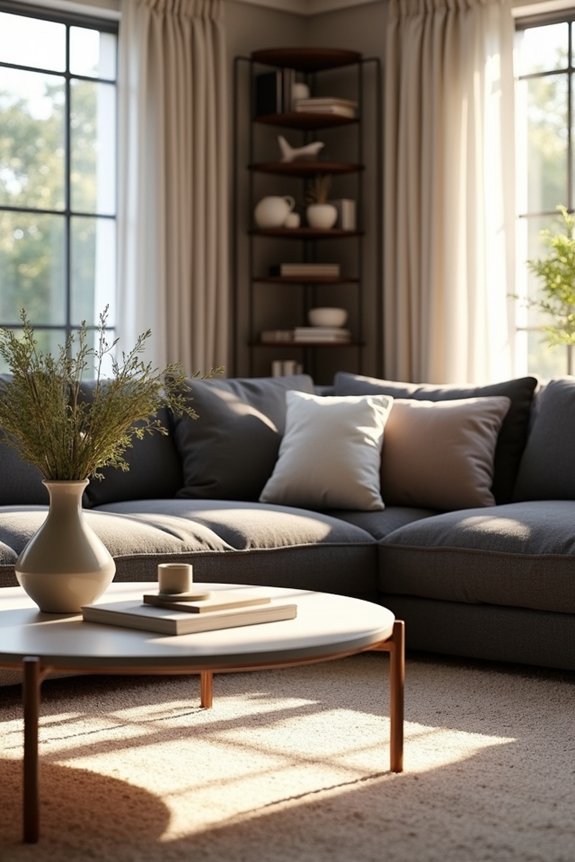
The first design ChatGPT gives you? Probably not perfect. That’s totally okay. I’ve learned that targeted prompts refine those initial sketches into designs that work for your actual space.
Instead of accepting the first result, I use iterative design by tweaking one element at a time. First, I adjust seating orientation to match my living room’s natural flow. Then I refine the lighting plan separately. This approach prevents overwhelming changes.
I’ve discovered that specific feedback matters tremendously. Rather than saying “change the colors,” I’ll request: “Use warm neutrals instead of cool grays, but keep the existing windows untouched.”
For multi-functional furniture, I ask ChatGPT to prioritize pieces that serve dual purposes—ottomans with storage, console tables doubling as desks. I also request itemized shopping lists and step-by-step implementation plans.
These targeted follow-up prompts gradually align ChatGPT’s interior design suggestions with my actual space’s constraints and style preferences.
Add Colors, Textures, and Finishing Details
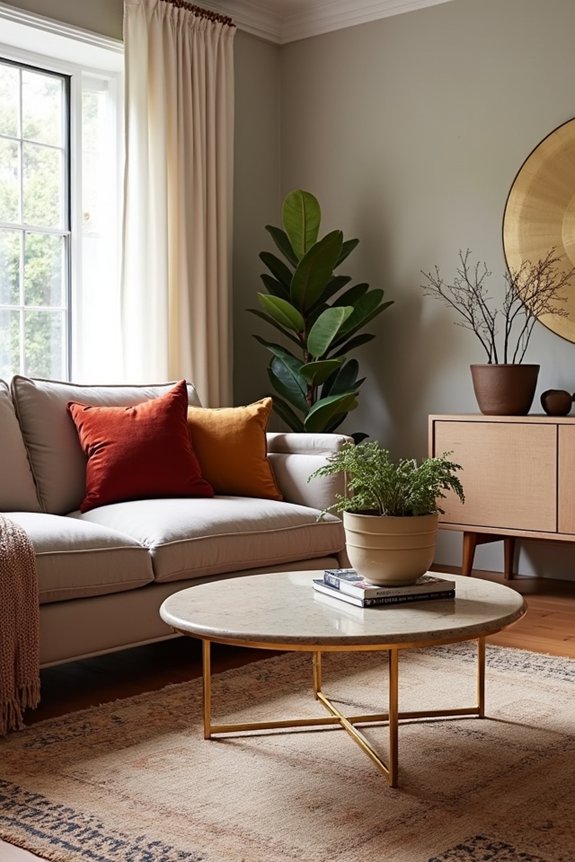
What makes a living room feel complete? It’s when you layer in colors, textures, and finishing details that work together cohesively.
I ask ChatGPT to suggest color palettes using the 60-30-10 rule—60% dominant color, 30% secondary, 10% accent. Then I request texture combinations: velvet cushions paired with a linen sofa and jute rug. These choices balance visual weight and add tactile variety.
| Element | Specification |
|---|---|
| Wall Paint | Matte finish |
| Wood Trim | Satin |
| Hardware | Brushed brass |
For layered styling, I request specific recommendations for rug placement, curtain fabrics, throw textiles, and plant textures. ChatGPT helps me specify materials—oak veneer furniture, ceramic tile, wool-blend rugs—aligned with my budget and style. These finishing details create a unified and warm living room environment.
Test Your ChatGPT Design Against Your Space and Budget
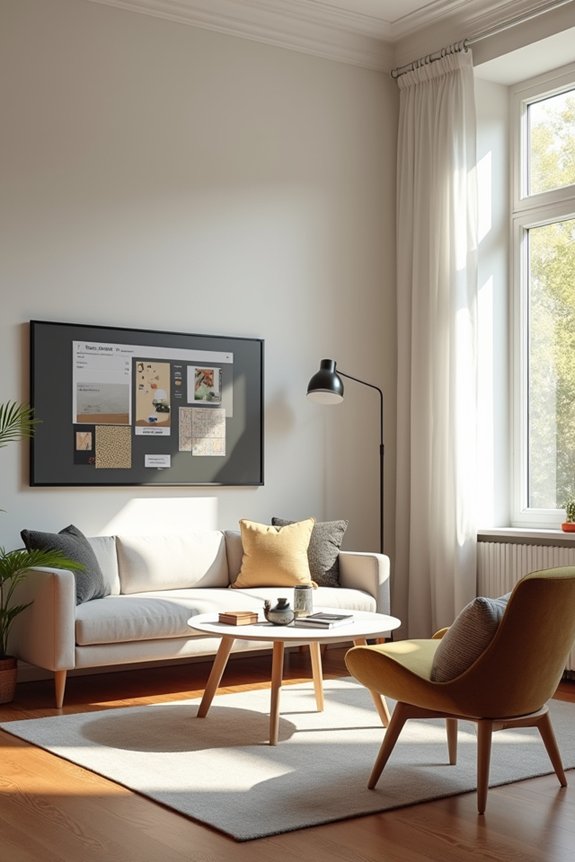
How do you know if your ChatGPT design will actually work in your living room? Test it first. Upload photos of your space and share your budget constraints with ChatGPT. Ask for specific layouts that respect your fixed windows and built-ins. Request itemized plans showing furniture placement, price ranges, and where to buy each piece.
Compare multiple styles—Modern Boho versus Scandinavian Minimalist, for example—to see which fits your budget and lifestyle. ChatGPT can show you cost implications for each approach. Then, virtually place furniture using your photos. Does the layout feel right? Will that sofa actually fit?
Refine details incrementally: lighting adjustments, textile choices, plant placement. Each small change reveals how your design affects flow and functionality while staying within budget. This iterative process keeps you grounded in reality while exploring different possibilities.